
The Neuroscience of Generosity: How Recurring Giving Rewires Behavior
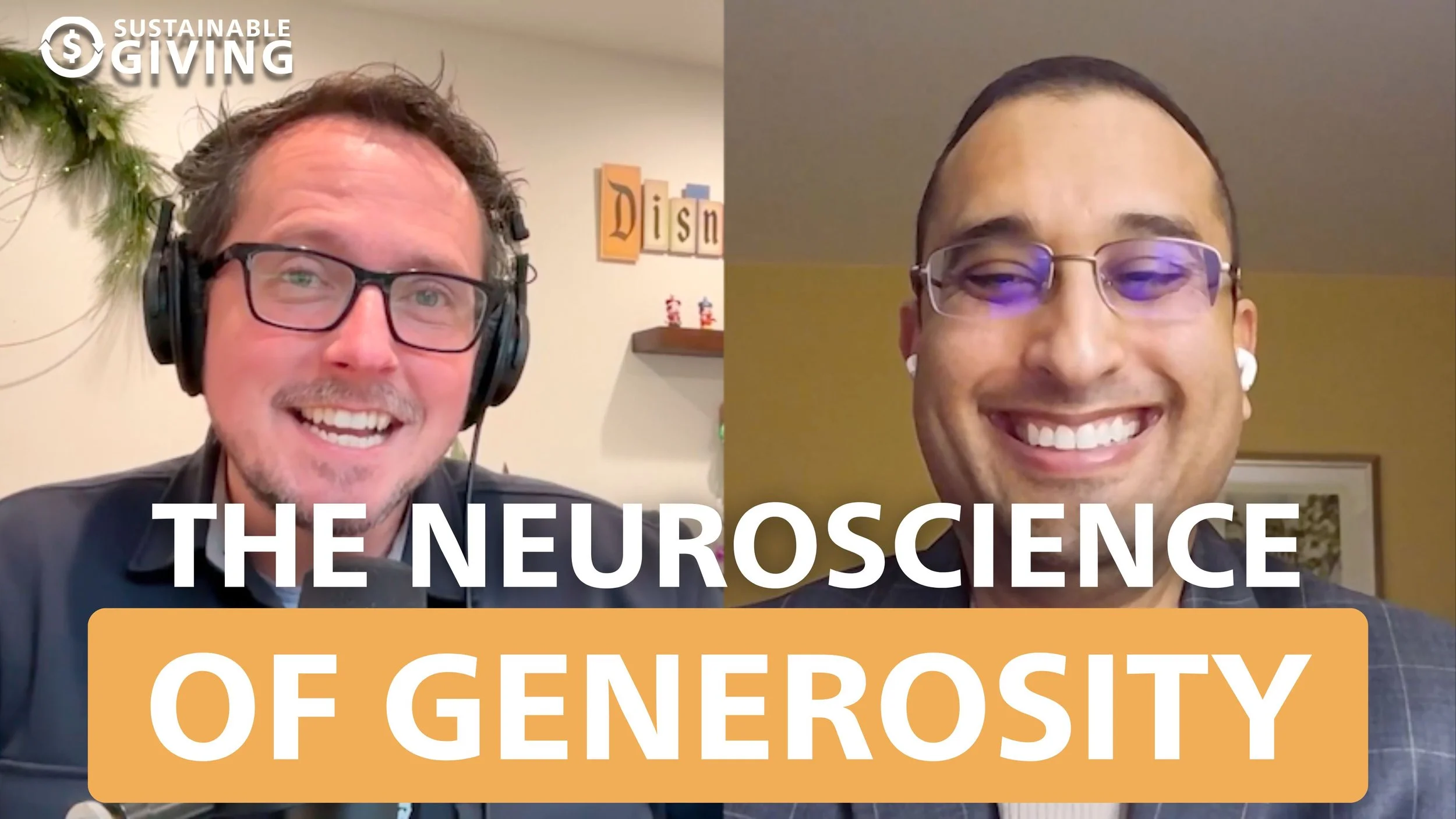
Why do donors say one thing… but do something completely different — and what does that mean for building generosity that lasts?
In this episode, Dave sits down with the brilliant (and very fun) Cherian Koshy — author of Neurogiving, globally recognized fundraising strategist, and newly-minted VP at Kindsight — for a lively conversation about what’s actually happening inside the donor brain.
This is not your typical “fundraising best practices” episode.
This is behavioral science meets generosity… with a side of humor, identity psychology, and a whole lot of practical insight for anyone trying to grow recurring generosity.
Together, Dave and Cherian explore why donors move from considering a gift to actually giving, why monthly giving turns out to be a trust-building superpower, and how fundraisers can create donor experiences that feel easier, lighter, and more human.
If you’ve ever wondered why donors behave the way they do (or why your “surefire” campaign didn’t perform the same way twice), this episode is a goldmine.
Key Topics They Cover:
1. The Story Behind Neurogiving
How frustration, curiosity, and years of field-tested research led Cherian to compile one of the most comprehensive behavioral-science-driven resources in fundraising.
The gap he saw between “best practices” and actual donor behavior — and why the sector needed better data, not just anecdotes.
2. What Donors Say vs. What Donors Do
Why donors genuinely believe their stated motivations… yet behave differently when making real decisions.
How cognitive load, emotional triggers, identity, and bias shape donor behavior far more than stated intention.
Why optimizing for what donors do (not what they claim) leads to better repeatability and sustainability.
3. Consistency, Trust & the Donor Brain
The neuroscience behind why repeated positive experiences strengthen trust like a muscle.
The “relaxed confidence” donors develop when nonprofits consistently follow through.How recurring giving acts as a trust engine — not just a revenue model.
4. Habit Formation & Donor Behavior
How repetition rewires neural pathways and transforms giving from decision → habit → identity.
Why donors who give repeatedly are far more likely to stay long-term, upgrade, or eventually make legacy gifts.
5. Applying Behavioral Science to Recurring Giving
Why offering one clear action (vs. 7 options) dramatically increases follow-through.
How defaults, simplicity, and identity-based messaging increase conversion and retention.The science-backed reason “the enemy of fundraising isn’t ‘no’ — it’s ‘not now.’”
They Also Talk About:
Single gifts vs. recurring commitments: how the brain processes them differently
How nonprofits accidentally create friction that slows generosity
Why recurring donors are more likely to advocate for you publicly
The long-term psychological benefits of habitual giving
AI, personalization, and the ethical questions fundraisers must wrestle with next
What would fundraising look like if your donor experience made giving feel effortless — even automatic?
Watch or Listen:
Watch this episode now by clicking the video above, or by visiting Apple Podcasts or Spotify.
Key Resources:
Explore Cherian’s work
More from Cherian
Connect with Cherian on LinkedIn
Register for the Sustainable Giving Workshop
Get Dave’s book, The Rise of Sustainable Giving
Connect with Dave on LinkedIn
Special thanks to our team at Sustainable Giving: Abigail, Tom, Kirsten, and Victoria.
